FAQ: Common Eye Disorders in Houston, TX
At Vision Source Mission Bend in Houston, TX, we provide comprehensive eye exams, advanced diagnostic testing, and personalized treatment for conditions affecting your vision and eye health. Our experienced optometrists focus on early detection and effective management to help protect your eyesight. Below are frequently asked questions on common eye disorders, eye disease diagnosis, and available treatments.
What are the most common eye disorders?
Common eye disorders include glaucoma, cataracts, macular degeneration, diabetic retinopathy, dry eye disease, and refractive errors such as nearsightedness and astigmatism. At Vision Source Mission Bend in Houston, we diagnose and manage a wide range of eye conditions through comprehensive examinations and individualized care.
How can I tell if blurry vision is caused by an eye disorder?
Blurry vision can result from several conditions, including dry eye, cataracts, glaucoma, or retinal disease. Some problems develop gradually, while others cause sudden changes. At our Houston practice, we perform detailed eye examinations to identify the underlying cause and recommend appropriate treatment.
Can a comprehensive eye exam detect glaucoma before symptoms appear?
Yes. Glaucoma often develops without noticeable symptoms, making early detection essential. At Vision Source Mission Bend in Houston, we evaluate eye pressure, optic nerve health, and other risk factors. Additional testing, such as optical coherence tomography (OCT) or visual field testing, helps us identify and monitor glaucoma-related changes.
What treatment options are available for glaucoma?
Glaucoma treatment focuses on lowering eye pressure to prevent further optic nerve damage. Prescription eye drops are a common first-line treatment, while some patients require laser procedures or surgery. Our Houston optometrists provide glaucoma evaluations, ongoing monitoring, and appropriate treatment or specialist referrals based on your condition.
How is diabetic retinopathy detected and managed?
Diabetic retinopathy develops when diabetes damages blood vessels in the retina. At our Houston office, we use comprehensive dilated eye examinations and retinal imaging to detect changes, often before symptoms develop. We monitor retinal health, communicate findings, and coordinate specialized treatment when necessary to help protect your vision.
What treatments are available for dry eye disease?
Dry eye treatment depends on the underlying cause, including insufficient tear production, inflammation, or meibomian gland dysfunction. At Vision Source Mission Bend in Houston, we evaluate tear film health and recommend targeted care, which may include artificial tears, prescription eye drops, eyelid hygiene, scleral lenses, or appropriate in-office therapies.
What are the early signs of cataracts?
Cataracts commonly cause cloudy vision, increased glare, difficulty driving at night, and faded colors. Symptoms typically develop gradually as the eye's natural lens becomes cloudy. Our Houston eye doctors evaluate cataract development, monitor vision changes, and coordinate surgical care when cataracts begin significantly affecting daily activities.
How is age-related macular degeneration diagnosed?
Age-related macular degeneration (AMD) affects central vision and can make reading or recognizing faces difficult. At our Houston practice, we use dilated retinal examinations, OCT imaging, and other diagnostic testing to evaluate the macula. Early diagnosis allows us to establish a monitoring and management plan based on the type and stage of AMD.
Can Valeda Light Therapy help treat dry macular degeneration?
Valeda Light Therapy is an FDA-authorized, non-invasive photobiomodulation treatment designed to improve visual acuity in certain patients with dry age-related macular degeneration. It uses specific wavelengths of light to stimulate retinal cellular activity. At Vision Source Mission Bend in Houston, we evaluate patients with dry AMD and determine whether recommending Valeda is appropriate. Treatment results vary, and Valeda is not a cure for macular degeneration.
What is the difference between dry and wet macular degeneration?
Dry macular degeneration generally progresses gradually, while wet macular degeneration can cause rapid vision loss due to abnormal blood vessel growth beneath the retina. Our eye doctors in Houston use retinal imaging and diagnostic testing to distinguish between these conditions. Management may include monitoring, appropriate treatment recommendations, or prompt referral to a retinal specialist.
Can myopia management help protect my child's vision?
Yes. Myopia management can slow the progression of nearsightedness in children, helping reduce the risk associated with higher levels of myopia later in life. At our Houston practice, we assess your child's prescription, eye growth, and visual needs. Treatment options include Essilor Stellest lenses, MiSight 1 day contact lenses, and orthokeratology for eligible patients.
Can you diagnose and treat pink eye in Houston?
Yes. Pink eye, also called conjunctivitis, can result from viral infections, bacterial infections, or allergies. Symptoms often include redness, irritation, tearing, or discharge. At Vision Source Mission Bend in Houston, we identify the cause and recommend appropriate treatment, which may include prescription medication or supportive care. Not every case requires antibiotics.
When should I seek emergency eye care for flashes or floaters?
New flashes of light, a sudden increase in floaters, or a dark shadow across your vision can indicate a retinal tear or detachment. These symptoms require immediate assessment, even without pain. If you experience these warning signs, seek urgent eye care the same day. Sudden vision loss or a curtain-like shadow warrants immediate emergency evaluation.
Can specialty contact lenses help manage certain eye conditions?
Yes. Specialty contact lenses can improve vision and comfort for patients with certain corneal conditions or severe dry eye disease. Scleral lenses, for example, create a fluid-filled space over the cornea and may benefit patients who struggle with conventional contacts. Our Houston optometrists evaluate eye health and determine which lens options best meet your needs.
Why choose Vision Source Mission Bend for eye disorder care in Houston?
At Vision Source Mission Bend, we combine experienced optometric care, advanced diagnostic technology, and personalized treatment plans to address a broad range of eye conditions. From glaucoma and diabetic eye exams to dry eye management and macular degeneration care, our Houston team focuses on accurate diagnosis, appropriate treatment, and proactive monitoring to protect your long-term vision.
If you are experiencing vision changes or need an evaluation for an eye condition, contact Vision Source Mission Bend in Houston, TX. Call (281) 933-3446 to schedule a comprehensive eye examination and receive personalized care for your vision and eye health.
Quick Links
Helpful Articles
article_category: restorative
article_category: vision therapy
article_category: contact lenses
article_category: health
article_category: conditions
article_category: eye surgery co-management
article_category: exotic
article_category: cosmetic
article_category: products
article_category: psychiatry
article_category: faqs
article_category: cats
article_category: general
article_category: services
article_category: technology
article_category: dogs
article_category: surgical procedures
article_category: aesthetics
article_category: preventative
article_category: ocular disease management
article_category: eyeglasses
article_category: eye health
article_category: large animal
[]
Flowbite is an open-source library of interactive components built on top of Tailwind CSS including buttons, dropdowns, modals, navbars, and more.
Check out this guide to learn how to get started and start developing websites even faster with components on top of Tailwind CSS.
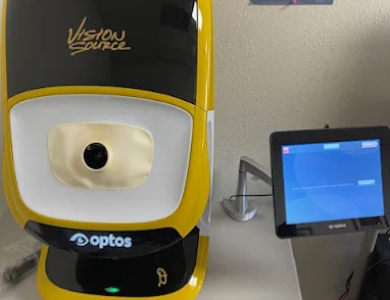
All Eye Care Services
Find personalized eye care excellence with our comprehensive services. From eye exams to advanced diagnostics, trust us for all your vision needs.
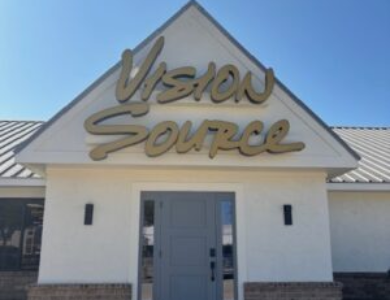
Keep In Touch
For non-urgent questions or to learn more about our services, contact us today!
© 2026 Vision Source Mission Bend. All rights Reserved - Accessibility Statement - Privacy Policy - Sitemap
Managed and Designed by 