
What Is Macular Degeneration and Who Is Most at Risk?
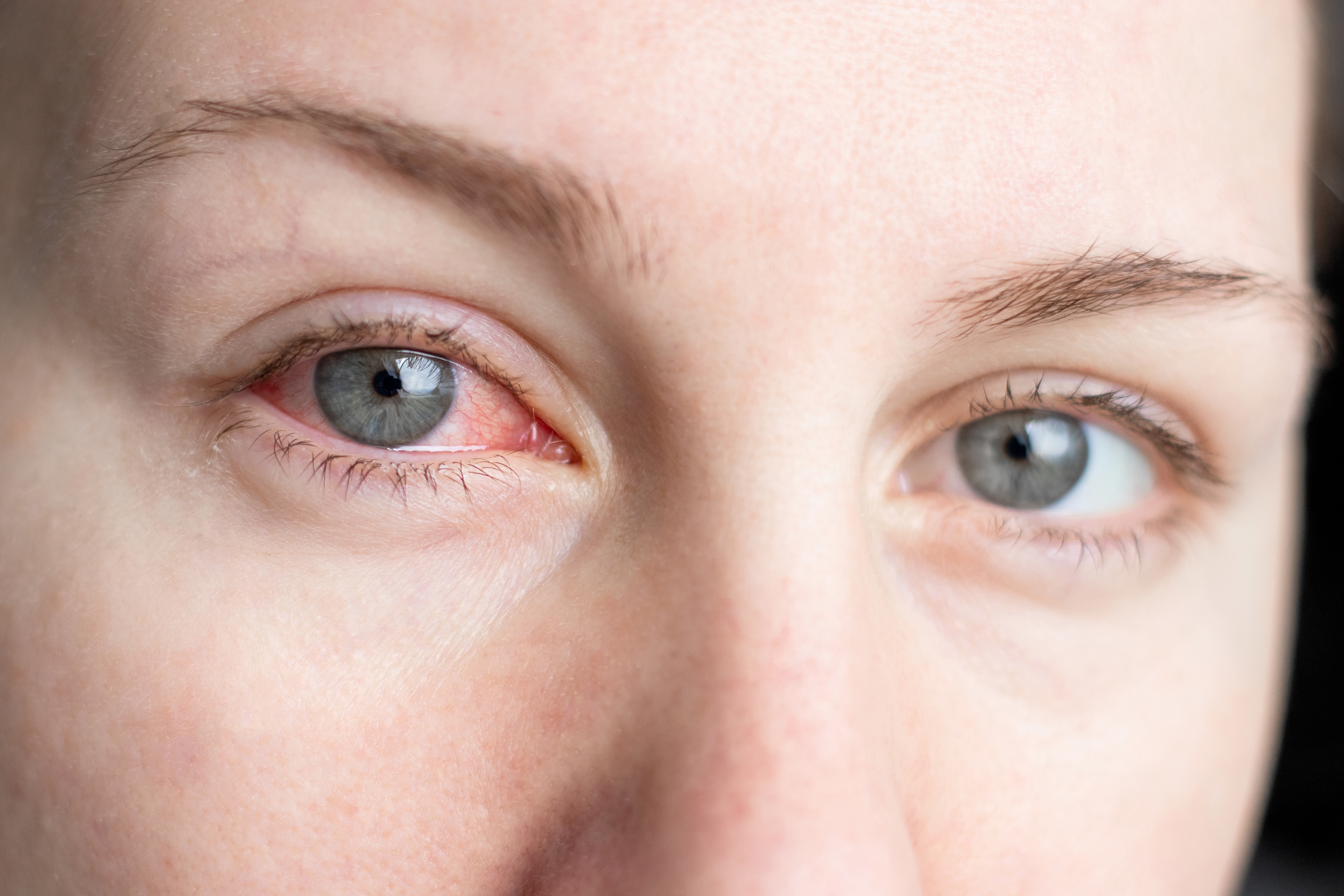
Macular degeneration is an eye condition that affects the macula, the central part of the retina responsible for sharp, detailed vision. The most common form is age-related macular degeneration, or AMD. It can make everyday activities such as reading, recognizing faces, driving, and seeing fine details more difficult. AMD does not typically cause complete blindness, but changes to central vision can have a significant impact on daily life.
At Vision Source Mission Bend, we help patients in Houston understand their eye health and watch for changes that may indicate macular degeneration. Because early AMD may develop without noticeable symptoms, regular eye exams become especially important as you get older.
Understanding Dry and Wet Macular Degeneration
There are two main forms of AMD - dry and wet. Dry AMD is more common and usually develops gradually as the macula becomes thinner with age. Wet AMD is less common but can progress more quickly. It occurs when abnormal blood vessels grow beneath the retina and leak fluid or blood, which can damage the macula.
Symptoms can vary depending on the stage of the condition. Some people notice no changes early on, while later symptoms may include blurry central vision, difficulty seeing in low light, colors appearing less vivid, blank spots, or straight lines looking wavy or distorted. Sudden distortion or a new blurry area in the center of your vision should be evaluated promptly.
Who Is Most at Risk for Macular Degeneration?
Age is one of the strongest risk factors for AMD, with risk increasing after age 55. Other factors can also raise the likelihood of developing the condition, including:
- A family history of age-related macular degeneration
- Smoking
- Being over age 55
- Certain cardiovascular risk factors, including high blood pressure or high cholesterol
- Being Caucasian, as AMD is more common in this population
Having one or more risk factors does not mean you will develop macular degeneration. It does mean that regular eye care can be especially valuable for monitoring the retina and identifying changes before they begin interfering with your vision.
Why Early Detection Matters
Macular degeneration can progress slowly, and early stages may not cause obvious symptoms. During an eye exam, we can evaluate the retina and macula for changes that could be associated with AMD. When appropriate, additional diagnostic testing may provide a closer look at the health of the back of the eye.
If macular degeneration is detected, the next steps depend on the type and stage. Some patients may need ongoing monitoring and lifestyle guidance, while certain forms of AMD may require treatment or referral for specialized retinal care. Early detection helps us identify changes sooner and determine the appropriate follow-up for your individual needs.
Protecting Your Vision as You Age
You cannot control every risk factor, such as age or family history, but certain healthy choices can support long-term eye health. Avoiding smoking, staying physically active, managing blood pressure and cholesterol, and eating a balanced diet that includes leafy green vegetables may help lower AMD risk. Regular eye exams in Houston are also important, especially if you are over 55 or have a family history of macular degeneration.
Schedule an eye exam with Vision Source Mission Bend in Houston, TX at (281) 933-3446 to stay proactive about macular degeneration and your long-term vision.
Quick Links
Helpful Articles
article_category: products
article_category: psychiatry
article_category: faqs
article_category: cats
article_category: general
article_category: services
article_category: technology
article_category: dogs
article_category: restorative
article_category: vision therapy
article_category: contact lenses
article_category: health
article_category: conditions
article_category: eye surgery co-management
article_category: exotic
article_category: cosmetic
article_category: surgical procedures
article_category: aesthetics
article_category: preventative
article_category: ocular disease management
article_category: eyeglasses
article_category: eye health
article_category: large animal
[]
article_category: psychiatry
article_category: faqs
article_category: cats
article_category: general
article_category: services
article_category: technology
article_category: dogs
article_category: restorative
article_category: vision therapy
article_category: contact lenses
article_category: health
article_category: conditions
article_category: eye surgery co-management
article_category: exotic
article_category: cosmetic
article_category: surgical procedures
article_category: aesthetics
article_category: preventative
article_category: ocular disease management
article_category: eyeglasses
article_category: eye health
article_category: large animal
[]
Flowbite is an open-source library of interactive components built on top of Tailwind CSS including buttons, dropdowns, modals, navbars, and more.
Check out this guide to learn how to get started and start developing websites even faster with components on top of Tailwind CSS.
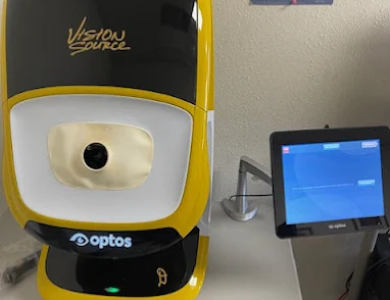
All Eye Care Services
Find personalized eye care excellence with our comprehensive services. From eye exams to advanced diagnostics, trust us for all your vision needs.
Keep In Touch
For non-urgent questions or to learn more about our services, contact us today!
© 2026 Vision Source Mission Bend. All rights Reserved - Accessibility Statement - Privacy Policy - Sitemap
Managed and Designed by 