
Why Are My Eyes Blurry at Night? Early Signs of Diabetic Retinopathy and Glaucoma Houston Patients Ignore
Why Are My Eyes Blurry at Night? Early Signs of Diabetic Retinopathy and Glaucoma Houston Patients Ignore
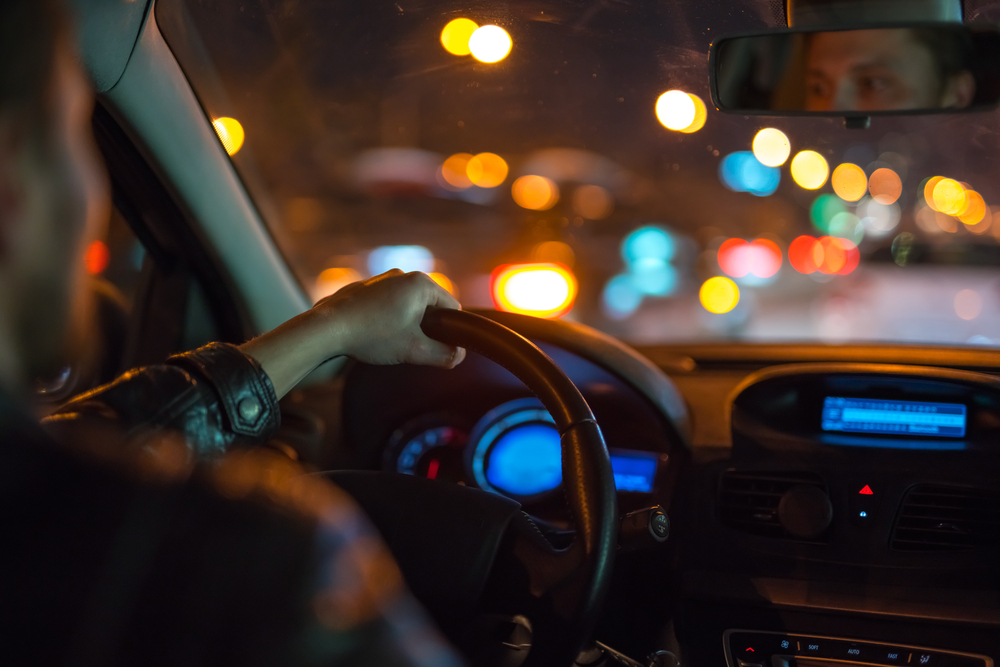
Headlights seem brighter, street signs look fuzzy, and driving after sunset takes more effort. These changes can be easy to dismiss as tired eyes. At Vision Source Mission Bend, we encourage our Houston patients to have new or worsening nighttime blur evaluated rather than assume it is normal aging.
Blurry night vision alone does not diagnose diabetic retinopathy or glaucoma. Both conditions can develop without noticeable symptoms, making regular eye exams essential even when your vision seems clear.
Why Vision Can Look Blurry at Night
In dim light, your pupils widen, which can make certain focusing problems more noticeable. An outdated prescription, astigmatism, dry eye, or cataracts may contribute to nighttime blur, glare, or halos.
We evaluate these possibilities along with your eye health. If you cannot see clearly enough to drive safely at night, avoid driving until your vision has been assessed.
How Diabetic Retinopathy Affects Vision
Diabetic retinopathy develops when diabetes damages the small blood vessels in the retina, the light-sensitive tissue at the back of the eye. Early damage often causes no symptoms. As the condition progresses, leaking fluid or bleeding can lead to blurred vision, dark spots, or floaters.
For our Houston patients with diabetes, waiting for symptoms can delay detection. Regular dilated eye exams help us identify changes before you notice them. Your exam schedule depends on your diabetes history, previous findings, and individual risk.
Why Glaucoma Can Go Unnoticed
Glaucoma damages the optic nerve, which carries visual information to the brain. The most common form, open-angle glaucoma, usually develops gradually without pain or obvious early symptoms. Peripheral vision may decline before central vision changes become noticeable.
Nighttime blur is not a reliable early warning sign of glaucoma. A family history of glaucoma or other risk factors makes routine testing especially important. We assess more than eye pressure because glaucoma can also occur when pressure is within the normal range.
Vision Changes Worth Reporting
When scheduling an eye exam in Houston, tell us about changes such as:
Persistent or recurring blurry vision
Increasing glare or halos around lights
Difficulty seeing in dim rooms or after sunset
Trouble noticing objects off to the side
New spots or floaters in your vision
These symptoms can have different causes and should not be used to diagnose yourself. Sudden vision loss or blurred vision with severe eye pain, redness, and nausea needs immediate medical attention. Do not wait for a routine appointment.
What We Look for During Your Eye Exam
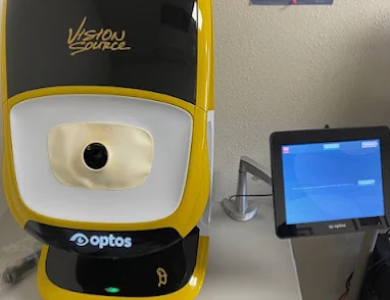
We review your symptoms, medical history, medications, and family history, then check your prescription and eye health. Depending on your needs, evaluation may include a dilated retinal examination, eye pressure measurement, optic nerve assessment, and visual field testing.
Our findings guide the next steps, whether that means updating your glasses, addressing another cause of blur, monitoring changes, or coordinating specialist care.
Give your changing night vision the attention it deserves. Schedule an eye exam with our team at Vision Source Mission Bend in Houston, TX, by calling (281) 933-3446.
Quick Links
Helpful Articles
All Eye Care Services
Find personalized eye care excellence with our comprehensive services. From eye exams to advanced diagnostics, trust us for all your vision needs.

Keep In Touch
For non-urgent questions or to learn more about our services, contact us today!
© 2026 Vision Source Mission Bend. All rights Reserved - Accessibility Statement - Privacy Policy - Sitemap
Managed and Designed by 